


British Columbia vs. Ontario: 5 Housing Law Differences Every Landlord Should Know
.png)
Co-Founder
Ontario and BC landlord laws differ vastly. Learn the five key rules every cross-border landlord must know before signing a lease.
Read More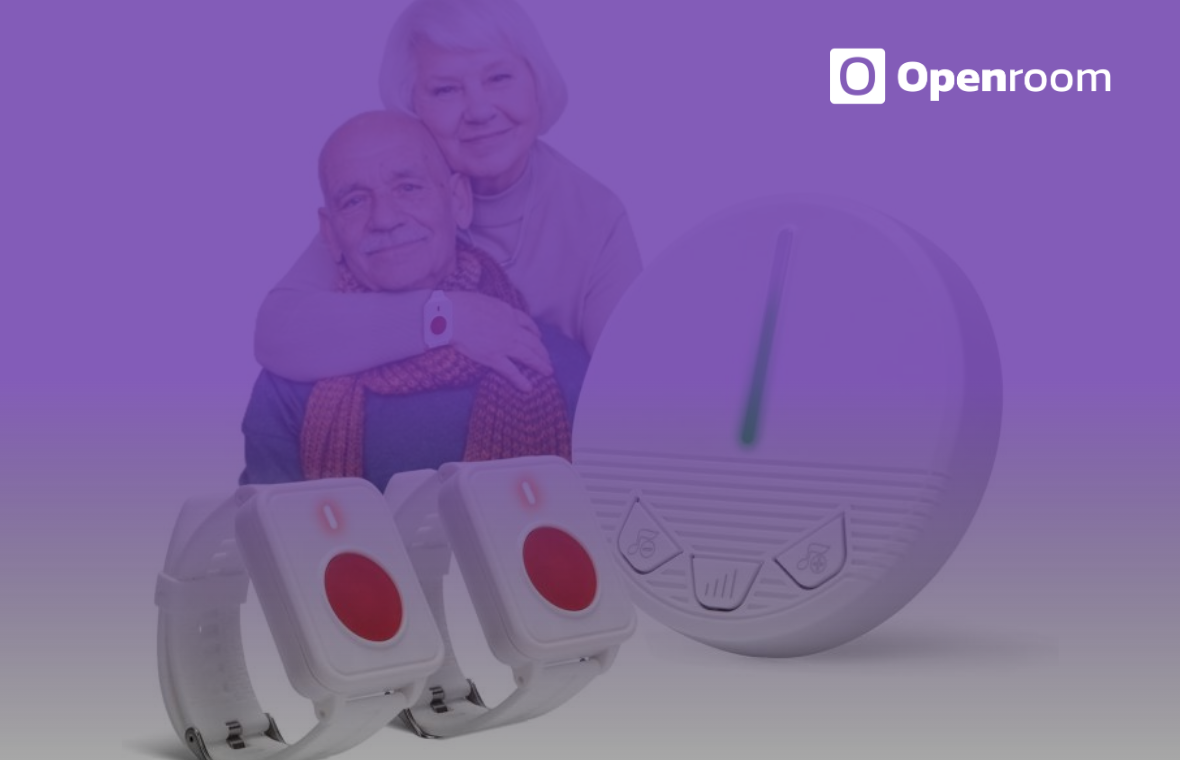
A lot of seniors want to keep renting in a place they already understand. The unit fits their routines, and the neighborhood feels familiar and manageable. What changes is how fast a normal day can turn into an emergency.
In a private rental, the hardest part is often the first step, getting help on the line. Medical alert systems are meant to make that step simple, even if a phone is in another room or a person feels unsteady. For a plain overview of what a medical alert system includes, you can visit website for details on features, setup, and monitoring. The goal is straightforward support that fits real life, not a big change to daily routines.
In a rental, a fall can happen in private and stay unseen for hours. Seniors may live alone, and neighbors might not notice anything is wrong. What starts as a minor injury can quickly become a bigger health issue.
Canada’s public health data shows how serious falls are for older adults, including rising deaths over recent years. The trend is tracked in the Public Health Infobase on falls in older adults. It is a hard topic, yet it points to a clear need: faster contact when something goes wrong.
Rentals sometimes add small barriers during an emergency. A phone might be charging in another room, or the tenant may not reach it quickly. Even a locked lobby door can slow down response if no one can answer.
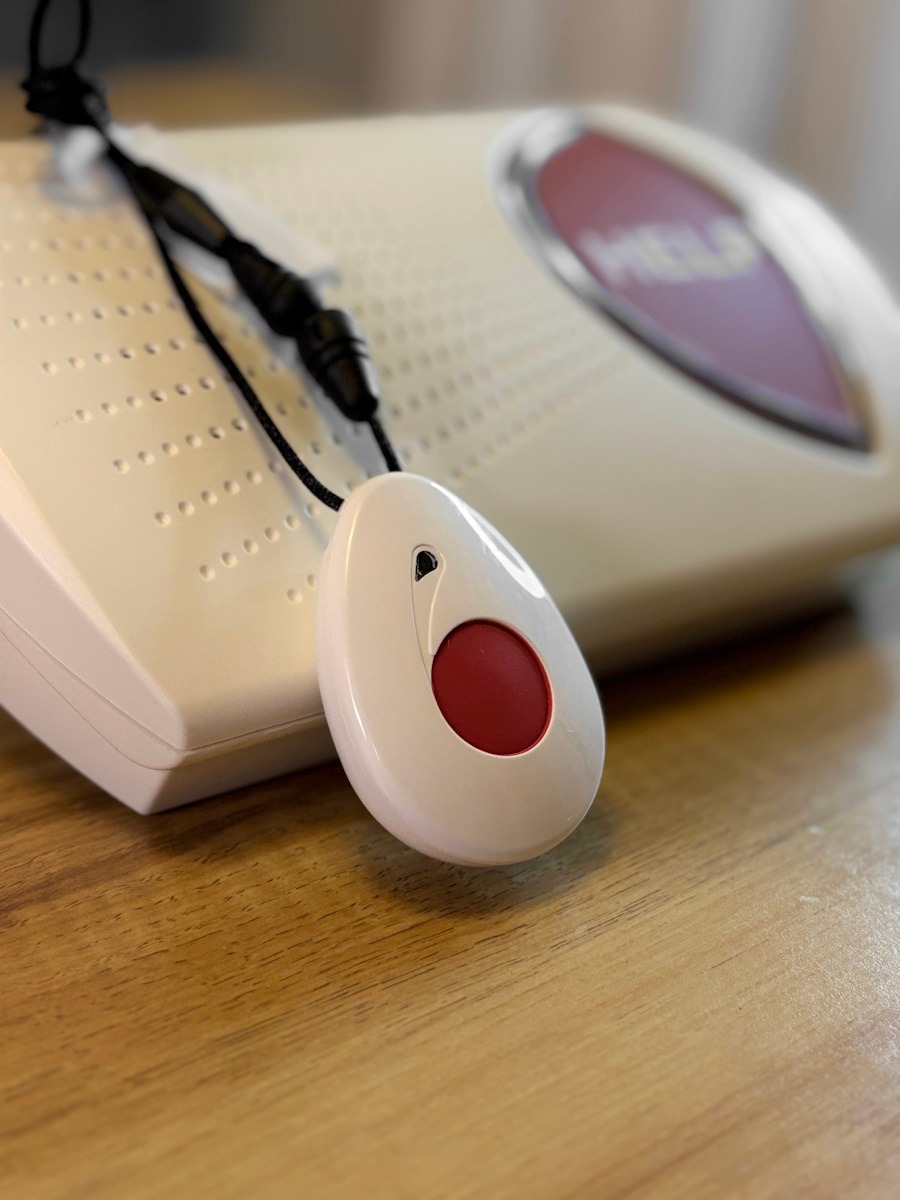
Emergency systems reduce steps in a stressful moment. Instead of finding a phone, the tenant presses a button and speaks to a trained operator. A quick line to help often reduces fear, which affects sleep and daily movement.
Most medical alert systems follow a straightforward idea. A wearable button connects to a monitoring team who can call emergency services. Many also notify a family contact, depending on the plan and the situation.
Some features matter more for renters than marketing claims. A good starting list can include:
It also helps to think about daily comfort and routine. Seniors will not wear a device that feels bulky or irritating. A pendant or wrist option gives people a better chance of sticking with it.
Canada’s Safe Living Guide describes emergency response systems as devices that help get assistance during an emergency. It also notes that services often include installation and a monthly monitoring fee. You can read that section in the federal Safe Living Guide for seniors, which keeps the language practical.
A final point is training, because the best device still needs practice. A quick test call once a month can keep the tenant calm and confident. It also confirms that the device still works inside the unit.
Senior tenants often worry that asking for safety tools will look like a problem. In reality, many devices are easy to set up and leave no marks behind. Clear communication helps, especially in buildings with strict rules.
Start with what the device needs, then match it to the unit. Some systems use a base unit plugged into power, and others use cellular service. If a tenant has weak cell signal indoors, a base unit near a window can help.
Building staff can play a small role without taking on medical duties. A short plan can cover:
Privacy also deserves an honest, direct talk. Tenants should know what data is collected and who can access it. Many systems are built around emergency contact, not constant tracking.
For families, emergency systems can reduce constant check ins that feel tense. Instead of repeated calls to “make sure you are okay,” everyone can rely on a structured response plan. That can make independence feel more real, not just a nice idea.
When a senior feels safe at home, everyday habits often improve. They sleep better, move with more confidence, and keep routines that support health. Feeling secure often supports steady rent payment and fewer disruptive moves.
On the rental side, good records matter for both parties. Programs that reward on time rent can also reinforce positive habits for tenants. Some renters take part in rent rewards programs that connect payment history with credit building and perks.
Clear records help reduce disputes when something goes wrong. If a tenancy issue reaches the legal system, accurate documentation becomes important. Tools like a Rental Debt Ledger show how verified court orders and tracked balances can be organized.
For senior tenants, the point is not paperwork for its own sake. It is a calmer rental life, with fewer surprises and fewer crisis moments. Emergency systems support that by reducing the risk that a medical event turns into a housing disruption.
A simple emergency system works best when it fits real daily habits. Choose a device the tenant will actually wear, and confirm it works in the rooms where falls are most likely. Then do a quick test call on a quiet day, so the steps feel familiar instead of stressful.
After that, keep the plan easy to maintain. Make sure building entry is clear after hours, and update contact details any time a phone number changes. With those basics handled, senior tenants can feel safer at home, and keep a steadier, less disrupted rental routine.




Anonymous Contributors are members of the Openroom Community. Everyone is welcome to submit an Opinion Piece into Openroom because sharing stories with the wider community means we can all learn from the past to map our future paths.
_________________________
About Opinion Contributions:
Openroom seeks out the best stories around our community to elevate their voice. Each Opinion article is sent in by a genuine Openroom Community member.
The views, thoughts, and opinions expressed in the text are of the Guest Author, and do not necessarily represent the opinions of Openroom. Read more about our Opinion Contributions.


.png)



.png)
.png)









.png)


.png)
.png)

.png)


.png)


