
Made for: Landlords or Housing Providers
Length: 5 minutes and 15 seconds
You rent out your house and now you want it back - how hard could it be? Can you just send a text to tell your tenant “you have to leave this weekend because I need the house back”?
Bahahaha.
Nope.
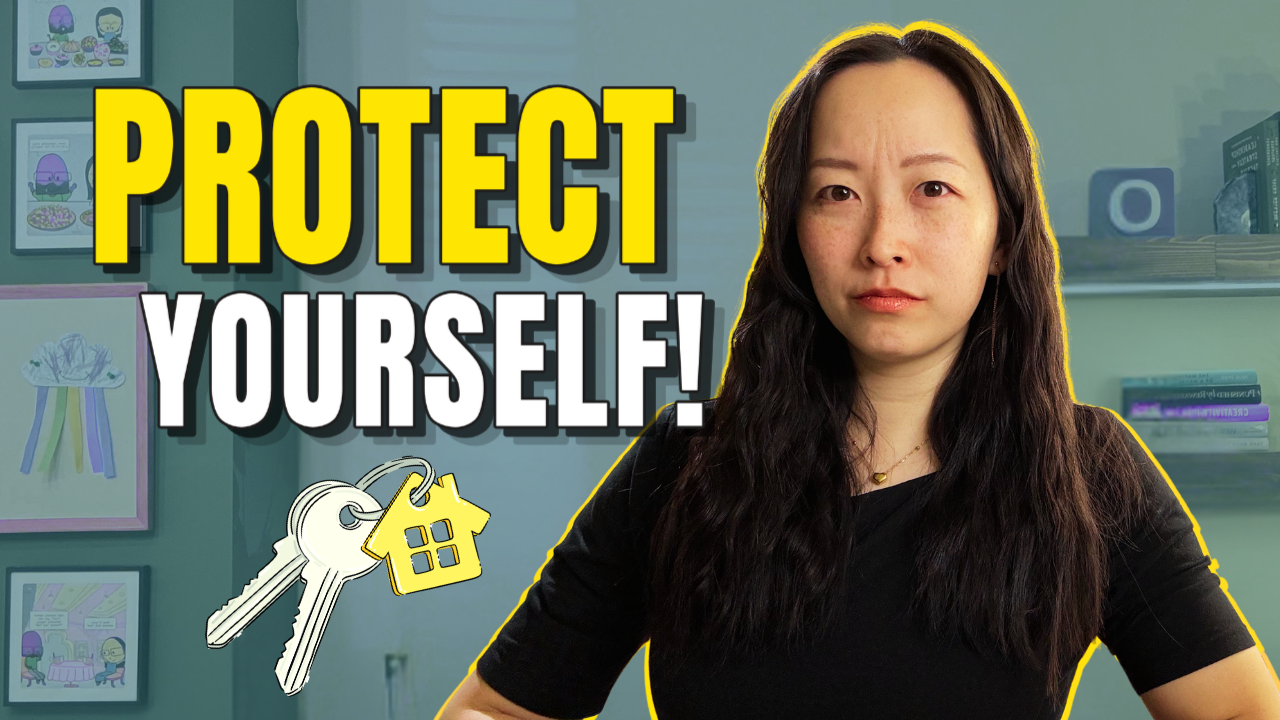
My name is Weiting Bollu, I’m spent thousands of hours diving into the compliance laws of Ontario so you don’t make the same mistakes I did. The mistake where I was pregnant and wanted to move back into my property - and my tenants told me “Get the fuck outta here because we ain’t leaving”. Oh and they also left me with over $35,000 of unpaid rent.
Let’s make sure you’re smarter than me with the 5 ways to end a tenancy in Ontario - sounds good?
In Ontario, ending a tenancy isn’t about simply changing the locks or telling the tenant to hit the road, it’s about following the Residential Tenancies Act (RTA) and using the right forms. Think paperwork, not pitchforks.
The most common notice is the N4 – Notice to End a Tenancy for Non-Payment of Rent. If rent isn’t paid on time, a landlord can serve an N4 giving the tenant few more days to pay up or move out. Soon to be 7 days once Bill 60 regulations come into force - likely in 2026. If they pay, the notice disappears like last month’s snowbank. If not, the landlord can apply to the Landlord and Tenant Board (LTB). Simple, but never fast—welcome to Ontario.
For problem behaviours like excessive noise, property damage, or turning the unit into a late-night nightclub, there’s the N5 – Notice to End Tenancy for Interference or Damage. This gives tenants a chance to correct their behaviour, because everyone deserves a warning before the sequel.
What if you both want out of the contract? Sometimes, both parties say “it’s not you, it’s me” at the same time. That’s where the N11 – Agreement to End the Tenancy comes into play. I like this route because it’s the “let’s be adults” option, where landlord and tenant agree on a move-out date without drama, lawyers, or angry Facebook posts. If the landlord wants extra peace of mind, they can file an L3 with the LTB for an ex-parte eviction, just in case the tenant decides not to vacate as agreed.
Landlords can also end a tenancy for legitimate personal reasons. The N12 allows termination for personal or family use of the unit. Be wary and read the form well, only certain family members count for this form, and the tenant has a right to a hearing. Don’t be that landlord who says their son will move in, and the son comes to the hearing to testify “I don’t even want to move in, my dad told me to say I want to”. Uh yes it’s happened.
This application can take time! Be patient, follow the rules, and buckle up, it can get bumpy.
Tired of being a landlord and want to demolish the unit? Enter the N13 which applies to major renovations or demolition. These come with compensation requirements, because fairness matters. This is another really tricky form, so read it well. If you ask a tenant to vacate to renovate, the tenant gets first dibs on the unit, at the same price they were paying before the renovation! And, each city might have their own municipal by-law that further details what you can or cannot do.
There are few more ways such as:
N6 - notice to end your tenancy for illegal acts or misrepresenting income in a rent-geared-to-income rental unit
N7 - notice to end your tenancy for causing serious problems in the rental unit or residential complex
N8 - notice to end your tenancy at the end of the term
N14 - landlord’s notice to the spouse of the tenant who vacated the rental unit
These aren’t as common but still good to know!
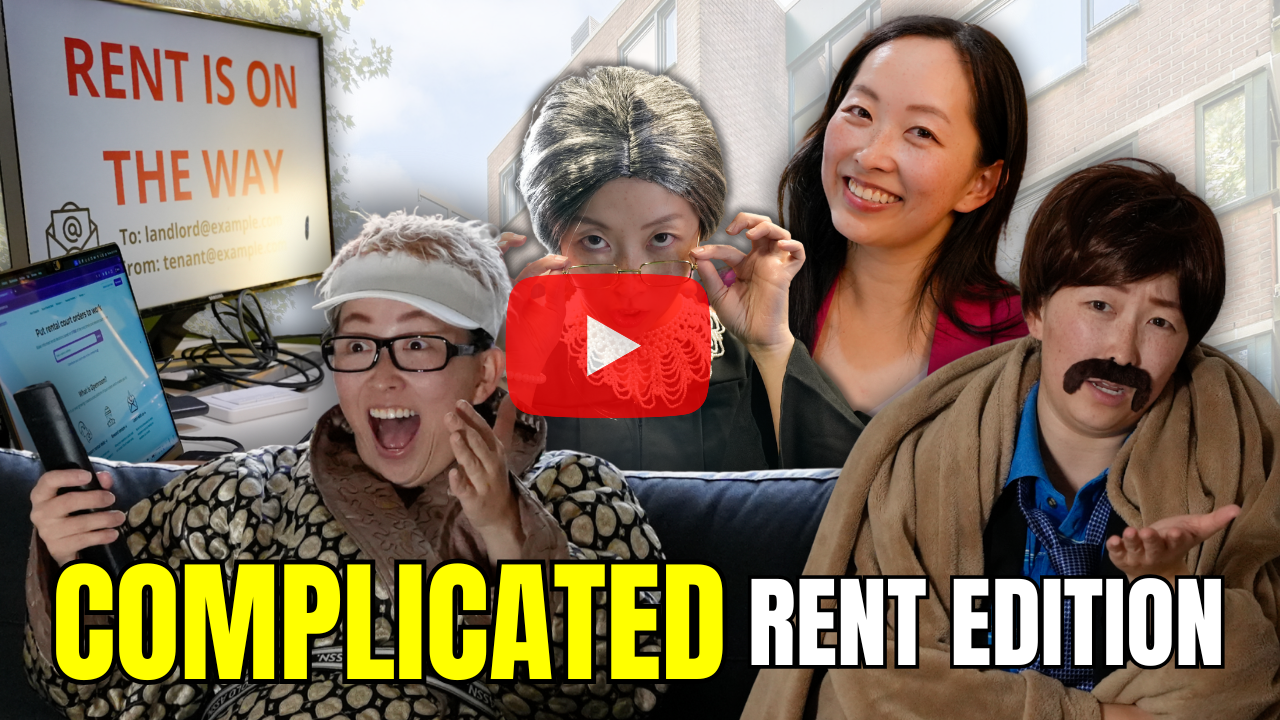
Alright - it’s time for our Rental Trio to recap this video lesson:
If you found this video helpful, share it with a friend. I’d love for you to take a moment to subscribe to the channel. Check these other educational classes I’ve got for you. Thank you and see you again next week!
Disclaimer: The information provided in this article is for general educational and informational purposes only and does not constitute legal, financial, or professional advice. You should consult a qualified professional regarding your specific circumstances before taking any action.
.png)



Weiting's entrepreneurial journey began with a costly lesson in rental property management, where she experienced losses exceeding $35,000 due to non-paying tenants. Determined to prevent others from facing similar challenges, she built Openroom to pave a future towards a transparent and connected rental ecosystem.
Drawing from her extensive background in software product management spanning education, telecommunications, insurance, and artificial intelligence, Weiting has become a trusted advisor to founders of venture-backed companies. Beyond the tech sphere, Weiting managed properties for over a decade and made significant contributions to community leadership. She’s served on the Board of Rotary District 7070 and chaired various organizational committees.
Weiting balances her professional endeavours with being a parent of two kids under two. Alongside thousands of other parents, she was awarded participation trophies in innovative improvisation, ever-changing expectations management, daily roadmap planning, and hardcore patience!


.png)
.png)
.png)
.png)
.png)
.png)
.png)
.png)